

Back home
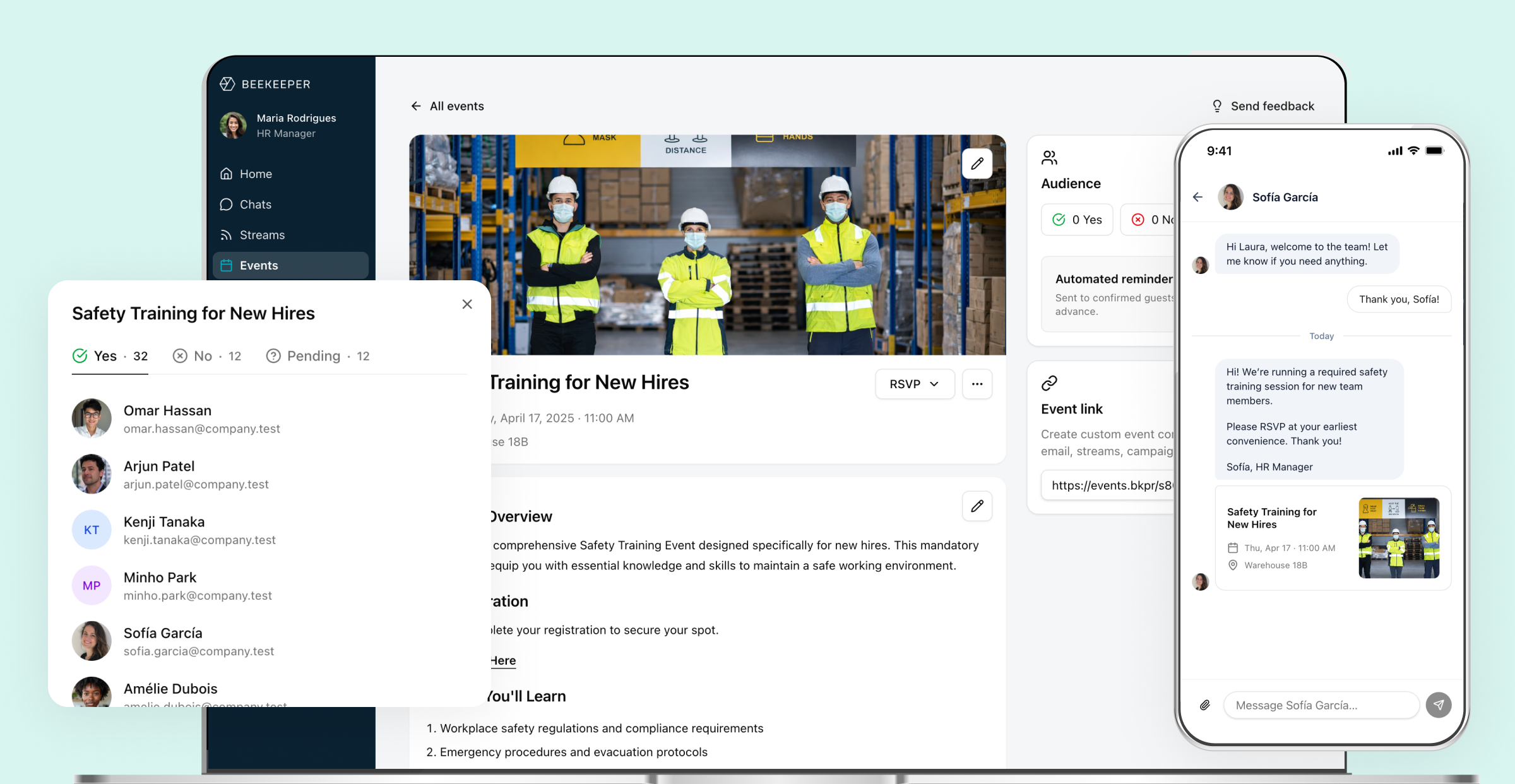
TL;DR – Beekeeper is an HR and Comms suite for frontline teams. As a Senior Product Designer in a cross-functional squad, I turned an ambiguous, high-effort "Calendar" request into a successful Events feature.
This led to encouraging Early Access metrics:
- 25% adoption in 2 months
- 630+ events created
- 5.3k RSVPs from invited users
- 289 admins using the feature
* * *
"Integrate calendars in Beekeeper". A straightforward request, but high-effort and with unclear value.
I took ownership to bring clarity and alignment under pressure.
Analysing feedback. Luckily, our feedback portal on ProductBoard had plenty of entries related to event organisation, communication and attendance.
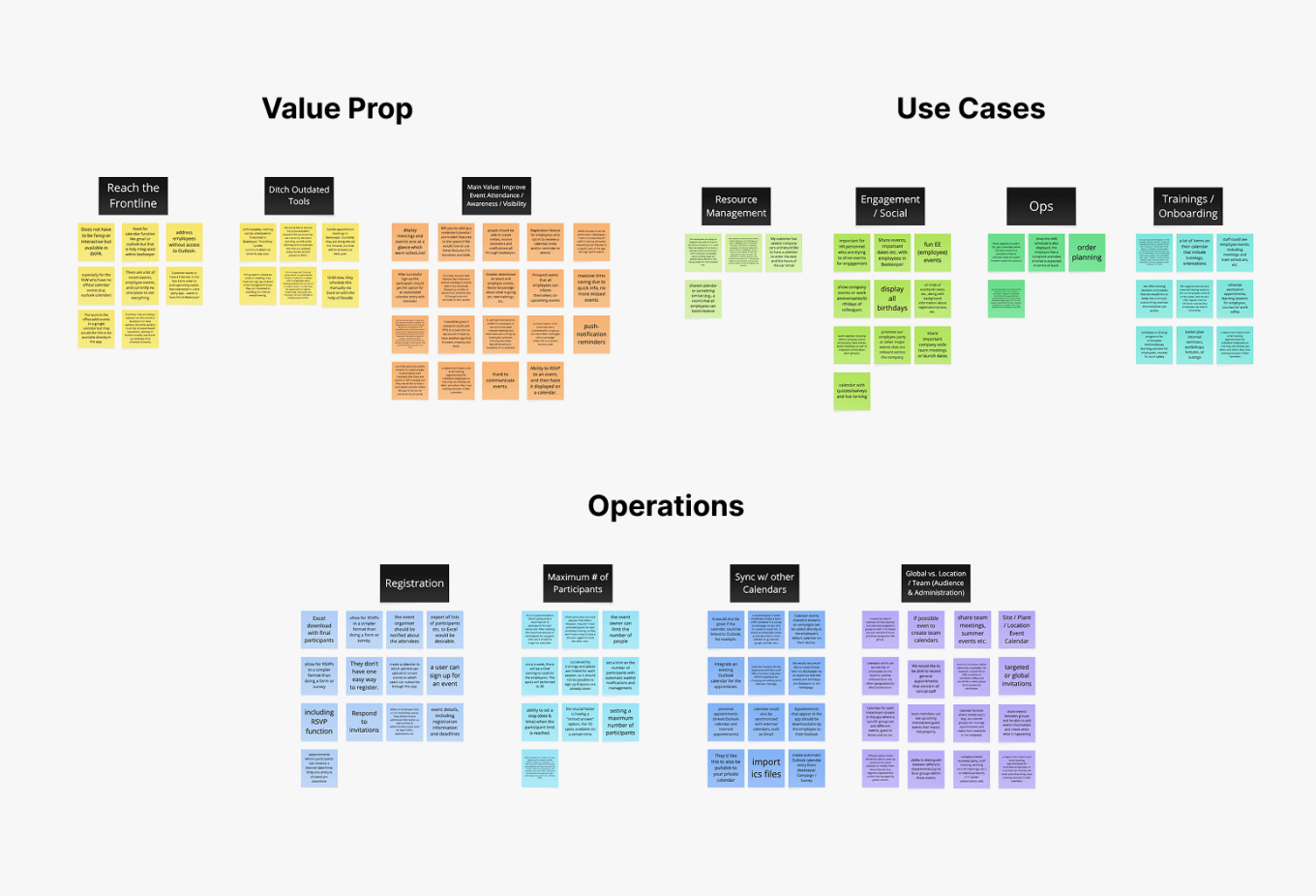
Building bridges with Customer Success. Our PM and I made ourselves available to discuss with relevant customers, which also helped us refine and validate our hypotheses.
Managing expectations. Internal conversations and early prototypes were key to bring stakeholders onboard with a refined and different problem statement.
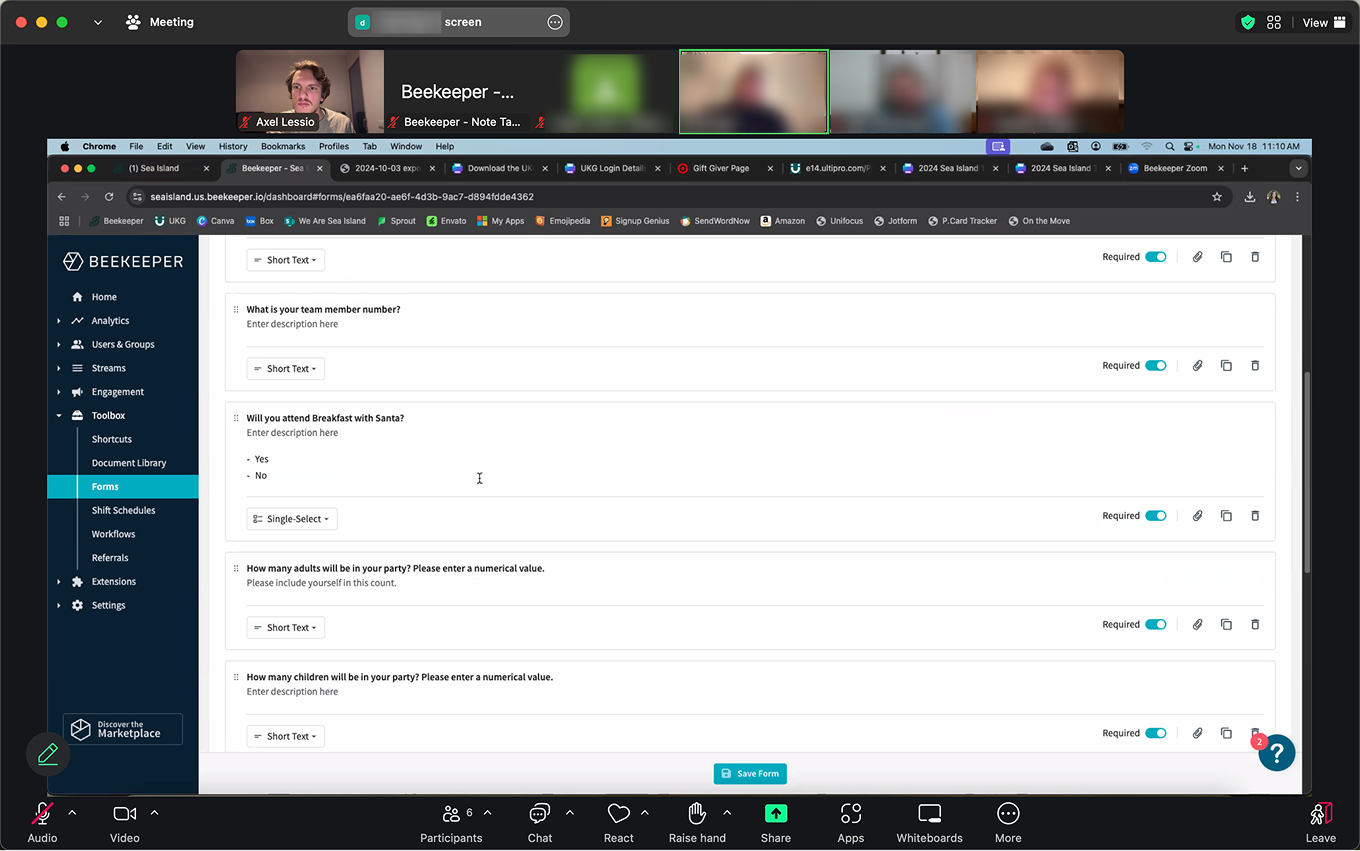
Also, they made customers feel listened.
Refined problem scope: events have low attendance because of tools that aren't built for desk-less employees.
- Low attendance = low ROI. HR and Comms spend time and money organising events. High participation is a priority.
- Hard to estimate participation. Organisers need to know the number of attendants in advance for logistical reasons (materials, food, venue, etc).
- Employees miss events. This happened all the time, as reminders were sent through emails, flyers, SMS... painfully manual and ineffective.
* * *
Admin UX: simple but powerful event creation and audience management.
“This will win deals! Was just on site where I showed your screenshots and they loved it” – Sales Representative @ Beekeeper
Attendee experience: mobile-first, accessible event info and RSVP.
Through my time at Beekeeper I took "Frontline-first UX" very seriously. Adoption from desk-less teams was a critical KPI that was clearly connected to lower churn rates and higher NPS scores.
* * *
Design decisions: deep dive.
Why a modal approach for event creation and audience management?
- Fast implementation. We recently revamped modals, so the code was clean, modern and reusable.
- Flexible entry point. In our long term vision, events could be created from different views. Modals enable that scalability.
- Consistency. This one seems obvious, but modals became part of our overall UX strategy. It wasn't a one-off interaction pattern.
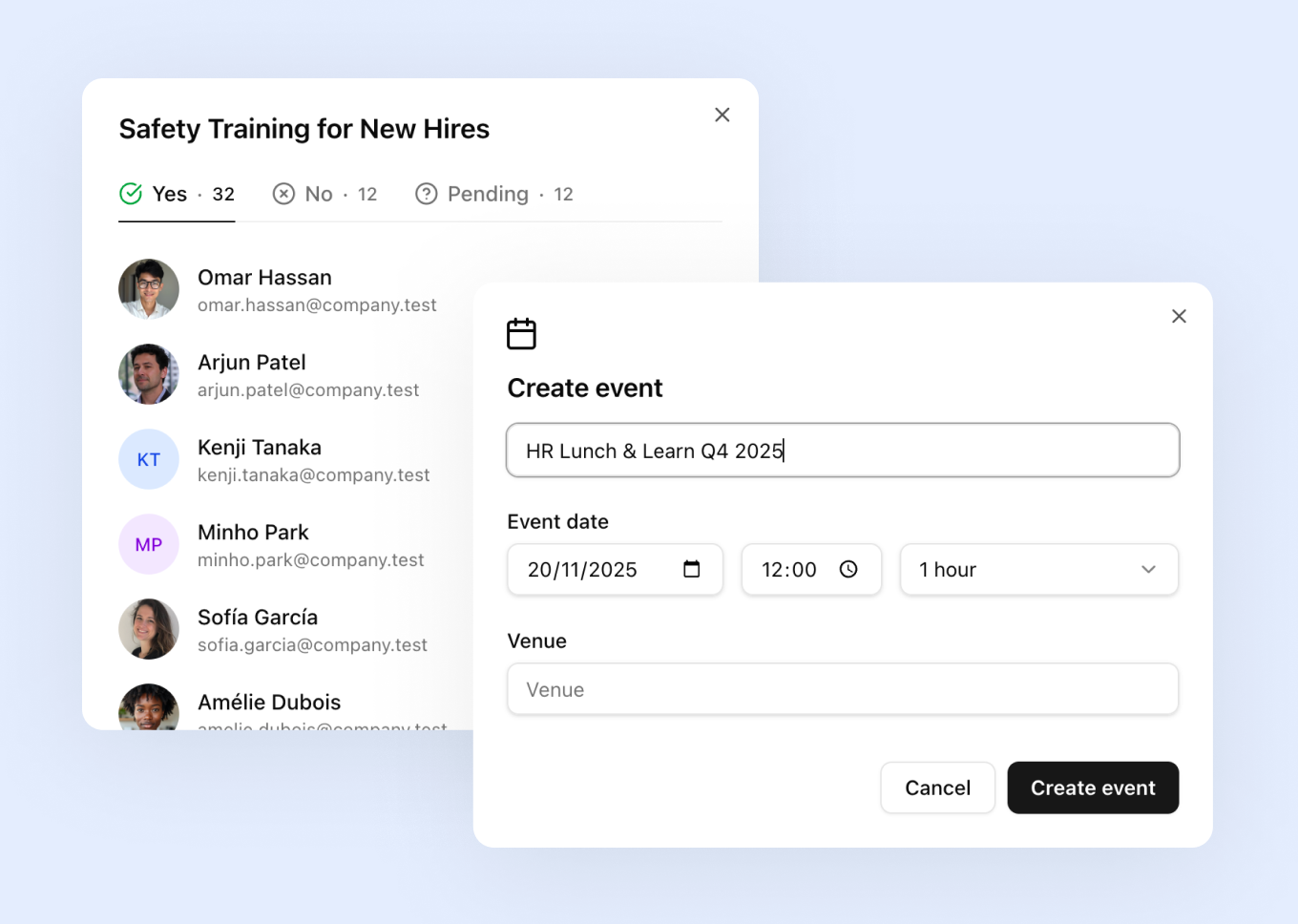
Why the limited audience management settings?
Let's face it: there are platforms that offer limitless customisation. But in our case? We prioritised speed and simplicity, which had a two-sided benefit:
- Quicker, more focused implementation with healthy room for growth in future iterations.
- Simpler, intuitive experience for an audience that is generally not tech savvy.
.png)
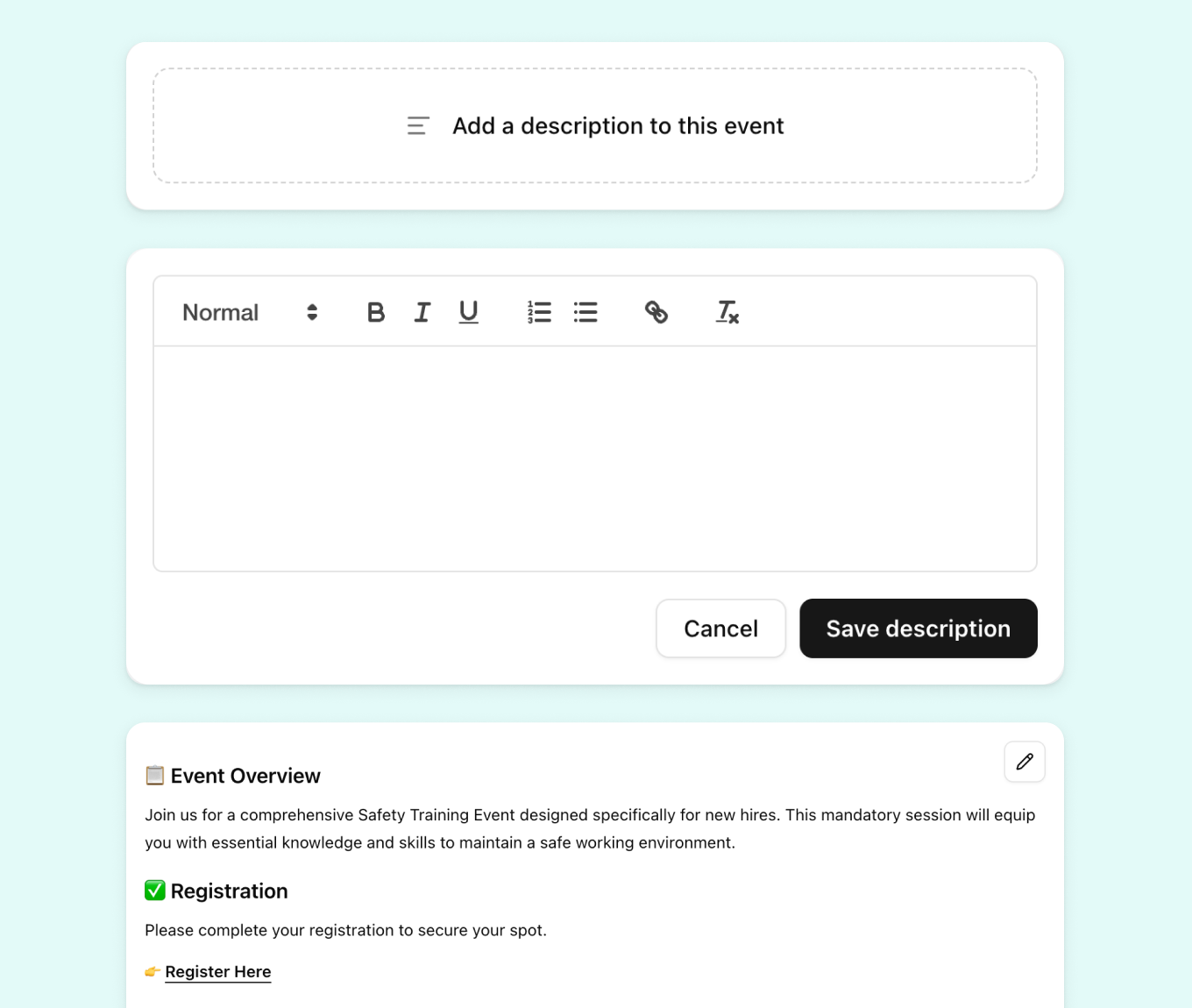
Rich text formatting: more than just styles.
The WYSIWYG editor came with a superpower...
Links to other entities.
- Forms. For event registration and surveys.
- Tasks. For action items before or after the events.
- Documents. For resources relevant to the events.
Links became the cheapest way to connect our whole platform and understand customers usage. This helps inform which use cases are worth refining later.
* * *
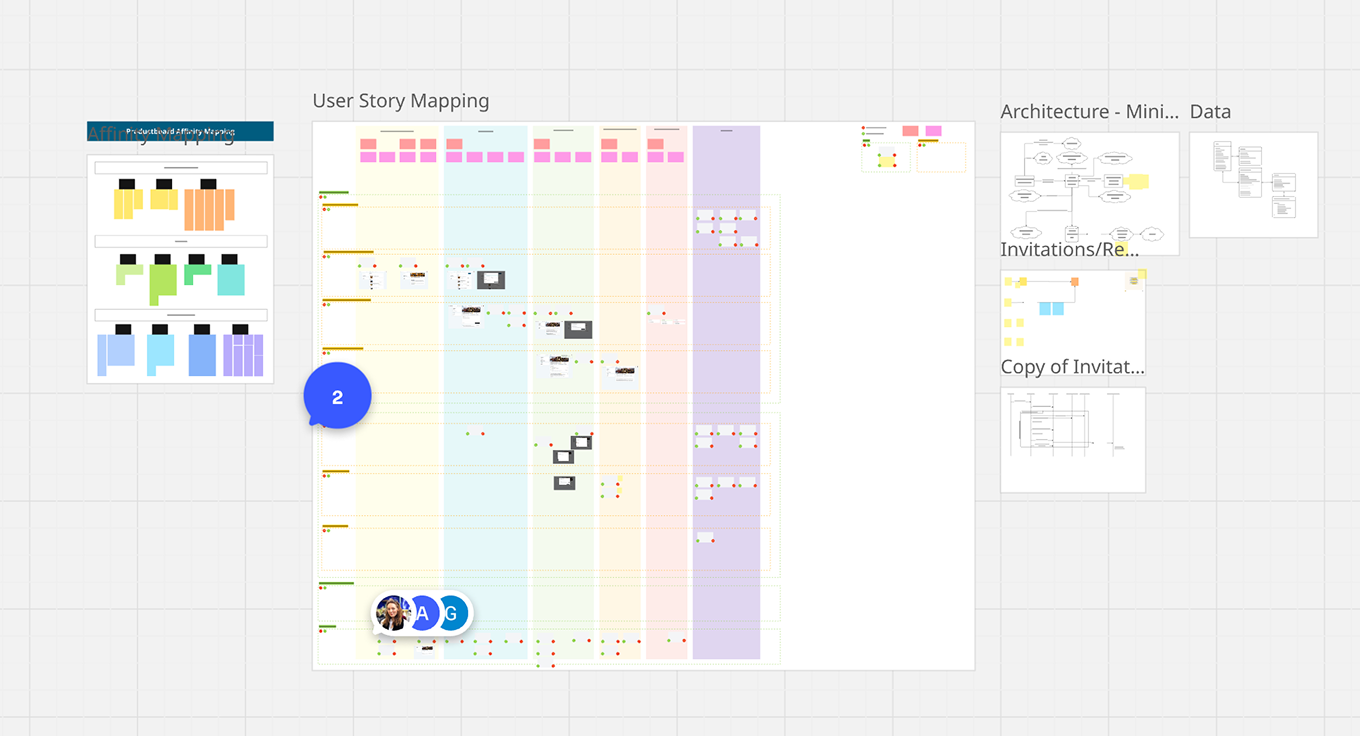
Cross-functional collaboration was key to prioritise requirements and execute a gradual rollout plan, together.
I worked closely within the product trio to create a balance between value and feasibility. The designs were mapped to a sprint planning board, and the differences between releases were reflected in the Figma file.
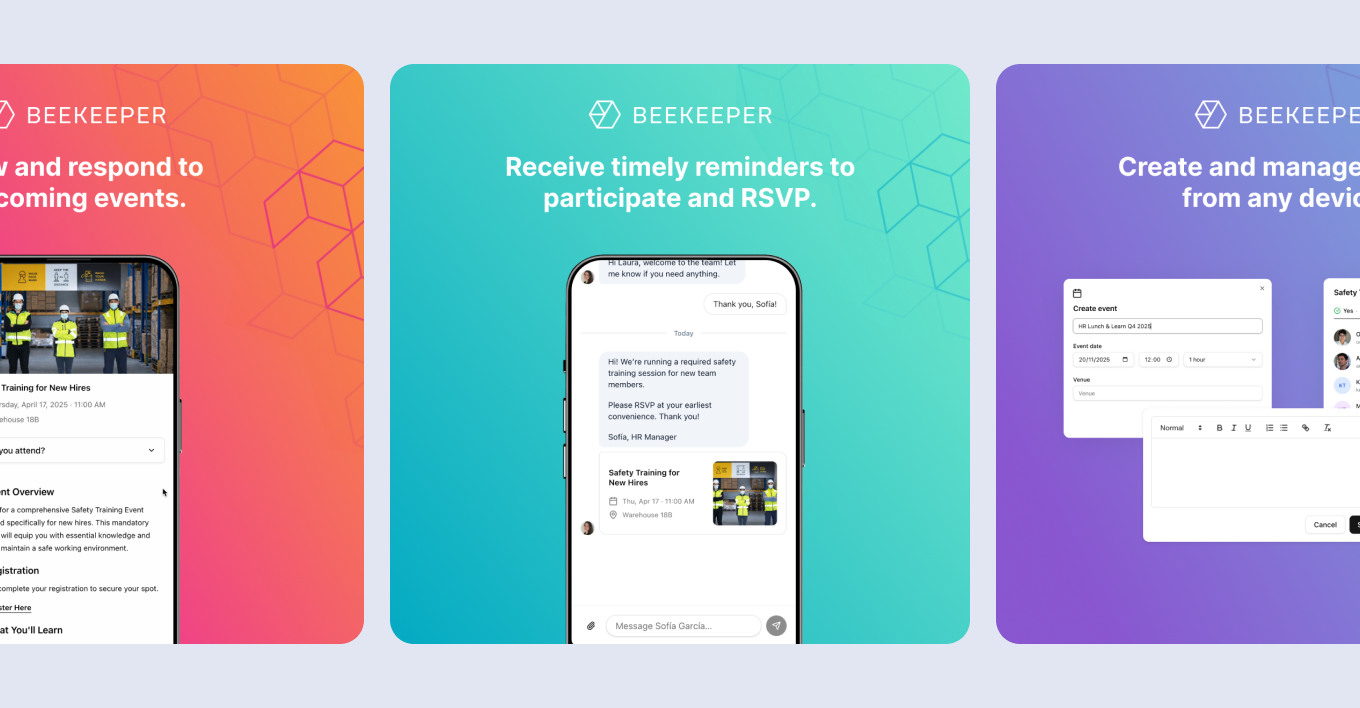
I also partnered with our Product Marketing team to design announcements that worked both internally and externally, such as in-product prompts and public posts.
* * *
Project learnings and reflections.
- Trade offs are important. Sometimes velocity and scalability are worth more than a sleek UI. Focus on impact.
- We all want happy customers. CS teams do their best to articulate customer needs, and will adjust expectations if you create alignment.
- Outcomes over potential. Shipping to production and seeing customers use your product is what really matters.
* * *
More case studies
TravelPerk: a permission system that truly scaled.